The Art of Gifting for the Person Who Has Everything
Everyone has one: the person whose taste is impeccable, whose home is full, and whose answer to "what do you want?" is a polite nothing. Shopping for them feels impossible because the usual playbook — guess at a hobby, buy a gadget — collapses when they already own the best version of everything. The playbook that works is different. Five strategies, in order of reliability.
1. Upgrade Something They Already Own
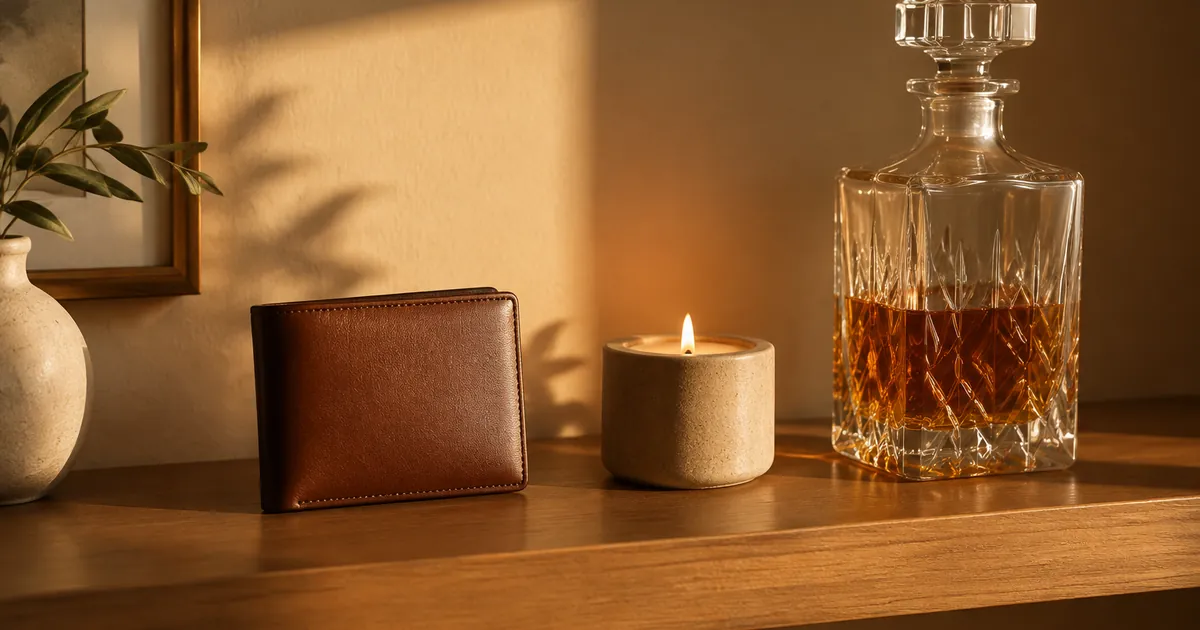
People who "have everything" usually have a mediocre version of one everyday item they never bothered to upgrade. The move is not a new category — it is a better edition of a familiar one. A well-worn billfold replaced by a personalized full-grain leather wallet. A shelf of mixed glasses elevated by a lead-free crystal decanter set. The gift says "you deserve the good version" without implying they lacked taste before.
2. Personalize the Ordinary
Engraving, custom names, and monograms convert a nice object into their object — something that cannot be rebought or replaced. Personalization works precisely because it adds a cost no money can: thought. A custom storybook for a child of these very-hard-to-buy-for people often delights the parents more than anything aimed at the adults.
3. Go Consumable: The Gift That Cannot Pile Up
The fastest way to fail with a maximalist is to add clutter. Consumables sidestep the problem entirely: an artisan coffee sampler, a craft beer subscription, anything enjoyed and then gone. Subscriptions add a bonus — the gift repeats monthly, a standing reminder of the giver.
4. Gift an Experience They Would Never Book
Even the most self-sufficient shoppers rarely book their own adventures. A 60-minute indoor skydiving session, a scenic wine tasting tour, a hands-on gourmet cooking class — these are the gifts people describe years later. The experience collection exists precisely for this category of person.
5. Go Upward in Quality, Not Sideways in Quantity
When in doubt, buy less but better. One genuinely excellent smartwatch outperforms a basket of mid-range accessories. One truly luxurious spa set beats five small ones. Maximalists notice quality instantly — it is the one language they respect.
The combined play
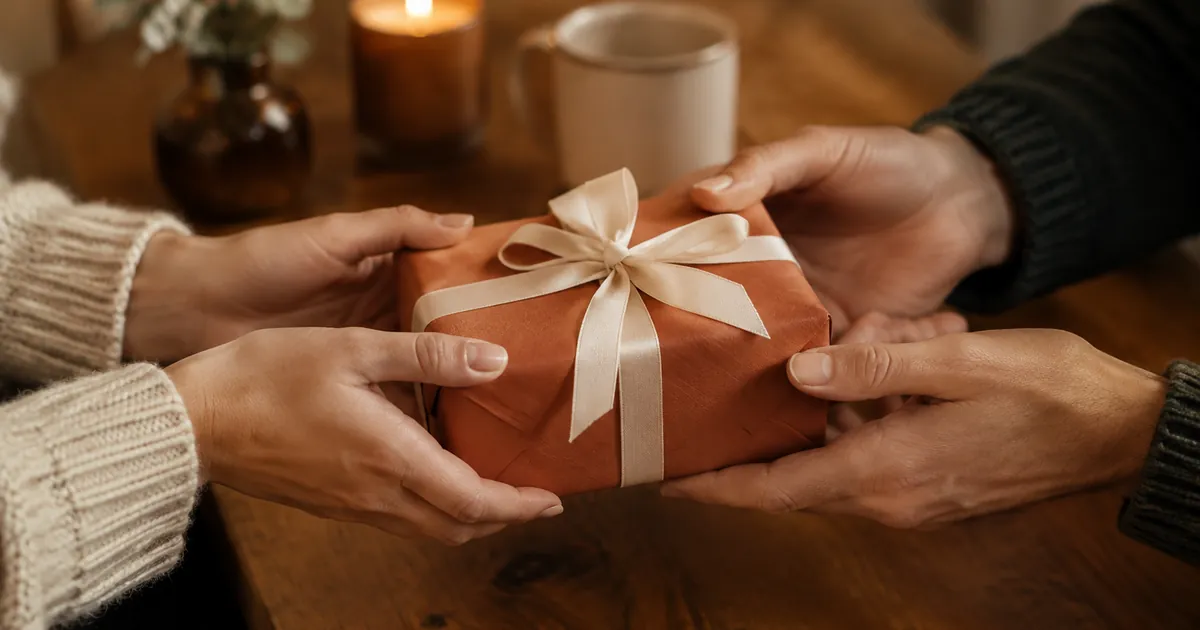
The strongest gifts for this crowd stack two strategies: a consumable paired with a personalized object, or an experience with a small physical keepsake. A photography lesson plus a leather wallet for the gear itself. The object anchors the memory; the memory elevates the object.
The Research Phase: Five Quiet Questions
Before buying for a minimalist or a maximalist, gather intel the way a good detective would — casually and from multiple angles:
- What do they replace immediately when it wears out? That object is a candidate for the premium upgrade.
- What do they tell other people to buy? People evangelize the categories they care about most.
- What did they talk about removing from their life? Clutter-averse recipients tell you exactly what not to buy.
- What would they do with a free Saturday and $100? The answer is usually an experience in disguise.
- What have they complimented on you? People compliment what they want. It is the oldest tell in gifting.
Occasions That Change the Rules
Strategy shifts with the moment. Housewarmings and weddings reward permanence — the decanter lane. New parents reward consumables and practicality — the coffee sampler and, later, personalized books for the child. Retirements and milestone birthdays reward experiences with meaning — a vineyard tour or a balloon ride that marks the occasion. Match the strategy to the moment and even the "impossible" recipient becomes straightforward.
Frequently Asked Questions
What if they still return it?
Consumables and experiences cannot be returned — one more reason they dominate this list. For physical goods, personalization makes returns practically impossible (nobody else's name is on it).
How do I find out what they already own?
Ask a partner or housemate, notice what they use daily, or simply ask directly: "what is the best version of X you own?" People with strong tastes enjoy answering.
Is a gift card acceptable for this person?
Only when paired with intent — a voucher to a specific experience you chose for them reads as thoughtful; a generic gift card reads as a shrug.
A Final Note on Confidence
The person who has everything does not need more — they need better, or they need a story. Both require the same thing: paying attention. Get the attention part right and the gift almost chooses itself. When the stakes are high, take your time and choose from the catalog — every product page lists its materials and specs so you can buy with confidence.